
Lithium Battery Safety in Mining Headlamps: Comparing Traditional and Advanced Solutions
1. Introduction
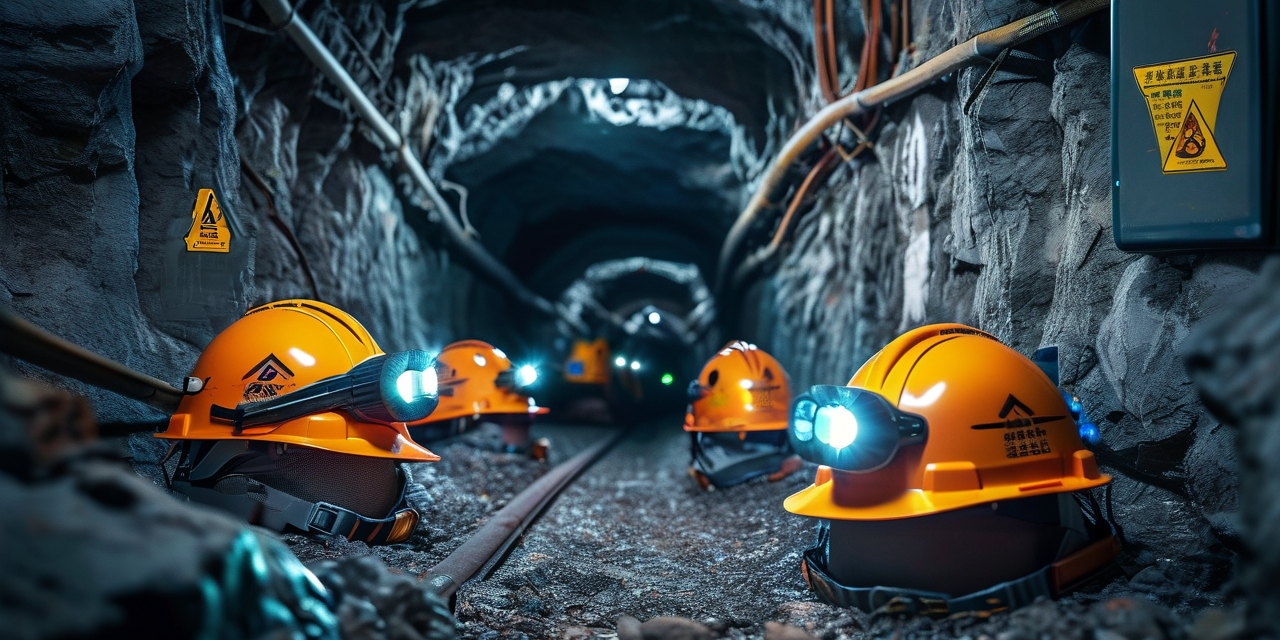
In the high-stakes environment of underground mining, lighting is a critical safety component. As mines push deeper and encounter more volatile atmospheric conditions, the technology powering miners’ headlamps has shifted from traditional incandescent bulbs and lead-acid batteries to sophisticated LED systems driven by Lithium-ion technology. However, the introduction of high-energy-density batteries into environments containing flammable gases and dust requires a rigorous comparison of safety protocols and battery architectures.
top Chinese mining LED light manufacturers
2. The Technological Foundation: LED and Explosion-Proofing
Modern mining lighting rests on two pillars: energy efficiency and containment.
- LED Efficiency: LED technology is inherently safer than traditional bulbs because of its low heat signature. By operating at lower temperatures, LEDs minimize the risk of igniting ambient methane or coal dust.
- Explosion-Proof (Ex) Design: For stationary or high-risk areas, explosion-proof housings are utilized. These are engineered to contain an internal explosion, cooling the resulting flames through specialized paths so they cannot ignite the external environment. While robust, these systems are often bulkier, making them more suitable for mining floodlights than portable headlamps.
3. Battery Evolution: Traditional vs. Advanced Solutions
The safety of a mining headlamp is primarily dictated by its battery chemistry. The industry is currently seeing a transition from consumer-grade lithium to specialized industrial solutions.
A. Traditional Lithium-Ion (Li-ion)
Commonly used due to their high energy density and light weight, traditional Li-ion batteries allow for 10+ hours of continuous use.
- Safety Mechanisms: They rely heavily on Battery Management Systems (BMS) to monitor voltage and current.
- Risks: They are susceptible to thermal runaway if temperatures exceed 60°C or if the casing is punctured, potentially leading to fires in confined spaces.
B. Advanced Lithium Iron Phosphate (LiFePO4)
LiFePO4 is rapidly becoming the “gold standard” for safety-conscious mining operations.
- Thermal Stability: These batteries can operate safely at temperatures up to 80°C, offering a significantly higher ceiling before risking thermal runaway.
- Longevity: While a traditional battery might last 500 cycles, LiFePO4 units often reach 2,000 to 5,000 cycles, drastically reducing the total cost of ownership.
C. Solid-State Lithium Technology
The most advanced tier involves replacing liquid electrolytes with solid materials.
- Leakage Elimination: By removing liquid components, the risk of electrolyte leakage—a common cause of short circuits and fires after mechanical impact—is virtually eliminated.
- Durability: These are ideal for the mechanical shocks common in drilling and blasting zones.
4. Safety Standards and Compliance
In the Chinese mining sector and abroad, compliance is the baseline for operational integrity.
Key Regulatory Frameworks:
- GB 3836: The national standard for explosion-proof electrical equipment, ensuring that housings and circuits do not produce sparks or excessive heat.
- AQ 1043: A more specialized standard focusing on the safety and performance of mining electrical equipment, specifically testing batteries under extreme mechanical and thermal stress.
5. Comparative Performance Analysis
To summarize the shift from traditional to advanced solutions, the following table highlights the operational trade-offs:
| Feature | Traditional Li-Ion | Advanced LiFePO4 / Solid-State |
|---|---|---|
| Primary Safety Focus | Electronic monitoring (BMS) | Chemical and structural stability |
| Thermal Threshold | Moderate (~60°C) | High (~80°C+) |
| Typical Lifespan | ~2,000 hours | ~5,000 to 10,000 hours |
| Weight | Extremely Light | Moderate to Light |
| Ideal Application | Low-risk, standard humidity | High-temp, high-gas, or deep mines |
6. Real-World Case Studies
- High-Temperature Environments: A copper mine in Northern China successfully transitioned to LiFePO4 headlamps, reporting a 50% reduction in battery failures in their deepest, hottest sectors.
- High-Gas Environments: A coal mine in Southern China adopted solid-state headlamps to meet AQ 1043standards. Despite the harsh, dusty conditions, the absence of liquid electrolytes ensured zero fire incidents following accidental equipment drops.
7. Conclusion
explosion-proof mine lighting: floodlighting myths debunked
Choosing between traditional and advanced lithium solutions depends on the specific risk profile of the mine. While traditional lithium-ion offers a lightweight and cost-effective entry point, the Advanced Solutions—specifically LiFePO4 and Solid-State technologies—provide the enhanced thermal and mechanical “cushion” necessary for high-risk underground operations. Ultimately, the integration of advanced chemistry with explosion-proof design ensures that the mining headlamp remains a beacon of safety rather than a potential hazard.

关注同器机械官方公众号
微信搜一搜:同器机械
加微信咨询:15235312375